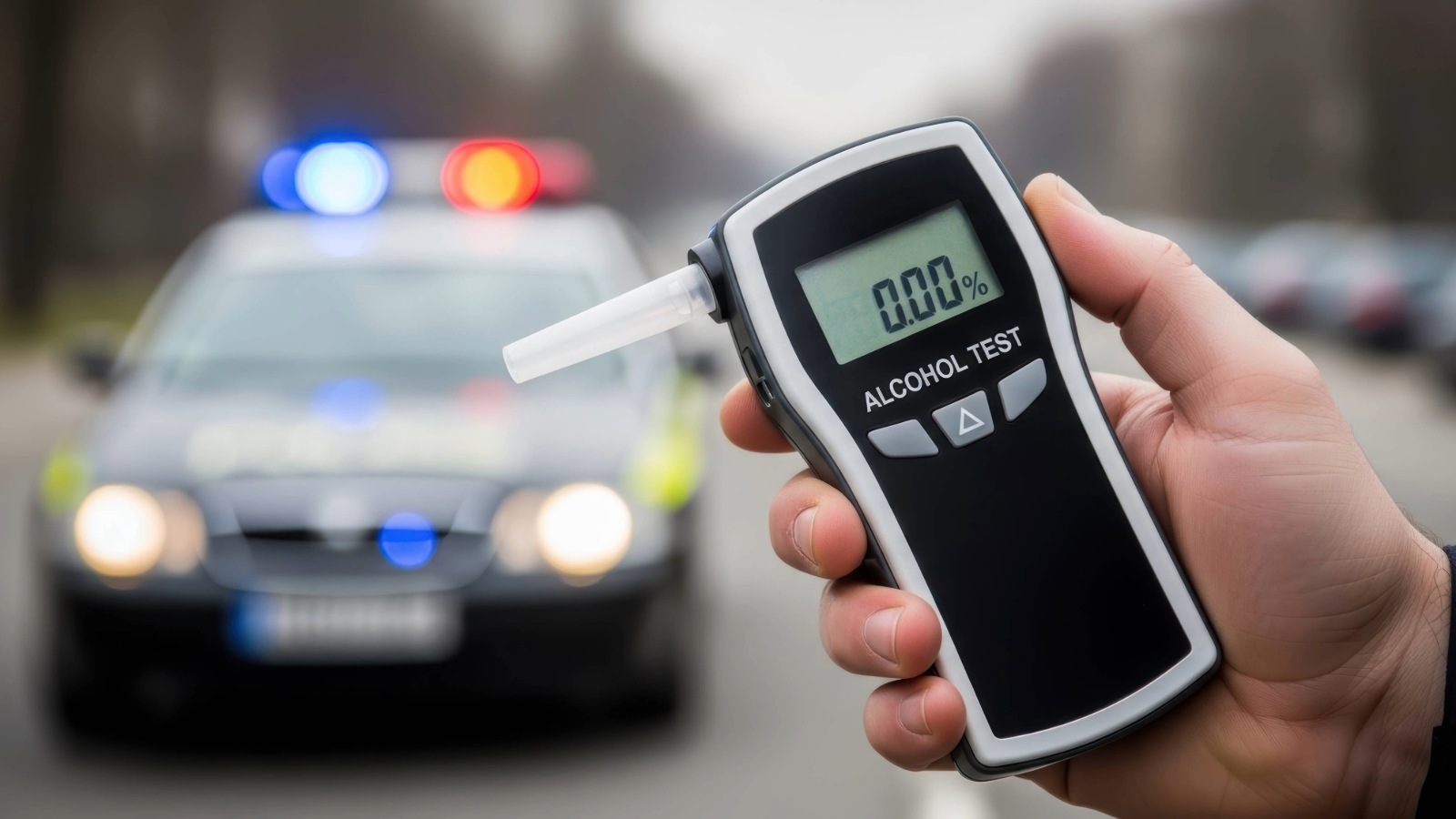
In the first blog entry discussing the Intoxilyzer, the reader learned general information about the device and the relevant law on using the test results to show a vehicle operator was driving under the influence (DUI) in the State of Colorado. In this entry, we will discuss issues surrounding the accuracy of the Intoxilyzer 9000 and how this may affect the prosecution’s ability to use test results against a defendant.
One matter the prosecution must show to have Intoxilyzer test results admitted as evidence in court is that the “machine… [was] operating correctly at the time of the test.”[i]
To accomplish this, the Colorado Department of Public Health and Environment (CDPHE) operates the Evidential Breath Alcohol Testing program which, in part, repairs, calibrates and certifies Intoxilyzer 9000 machines across the state to ensure that test results are accurate. The State of Colorado publishes the rules for this program at the Secretary of State’s website under 5 CCR 1005-2.
First, the Intoxilyzer 9000 must be initially certified by the CDPHE, and thereafter must be recertified annually by the state.[ii] This involves a testing process administered by agency officials on all the machines across the state. If the Intoxilyzer is working correctly, the CDPHE will issue a certificate for the device.
Next, the Intoxilyzer must have “an assayed reference standard with a known ethanol concentration of 0.100 grams of alcohol/210 liters of breath that brackets the subject’s breath samples.”[iii] The rule continues: “[t]he assayed reference standard target is 0.100 grams of alcohol/210 liters of breath and must fall within a range of (0.090 – 0.110 grams of alcohol/210 liters of breath).”[iv] What does this mean? An assayed reference standard is a certified solution with a very precise and pre-determined concentration of alcohol used to calibrate and verify the accuracy of an Intoxilyzer. Measurements from the machine must fall within the range of 0.090 to 0.110 for the Intoxilyzer to be considered accurate. If the test results fall outside that range, the device is not considered accurate and a report will reference this.
In Colorado, two breath samples are obtained from suspects within a 20 minute period (more on this in a later blog entry). By state rule, the two test results obtained by the Intoxilyzer must agree within 0.020 grams of alcohol/210 liters of blood.[v] Again, what does this mean? If the initial result obtained by the Intoxilyzer reads 0.10, then the next test obtained by an Intoxilyzer must read no greater than 0.12 or no less than 0.08. If the second result exceeds those boundaries, then the test must be discontinued and the Intoxilyzer must print a result reading “No 0.2 Agreement.”[vi]
What happens if the issues mentioned above with the Intoxilyzer 9000 are not properly addressed by either the law enforcement agency or the CDPHE? The answer is, like so much of law, “it depends.” The law in Colorado on suspect Intoxilyzer machines and the results they generate reads as follows:
Strict compliance with the rules and regulations prescribed by the department of public health and environment shall not be a prerequisite to the admissibility of test results at trial unless the court finds that the extent of noncompliance with a board of health rule has so impaired the validity and reliability of the testing method and the test results as to render the evidence inadmissible. In all other circumstances, failure to strictly comply with such rules and regulations shall only be considered in the weight to be given to the test results and not to the admissibility of such test results.[vii]
This law means that a police department does not have to strictly comply with the rules set forth by the CDPHE on certifying and maintaining the Intoxilyzer device for test results to be admissible in court.[viii] However, if a defendant can show that the noncompliance has so impaired the validity of the test results, the trial court should exclude them. For example, if a police department’s Intoxilyzer recertification certificate is slightly out of date (30 days or less), a trial court would likely not exclude test results on this basis alone. However, if the certificate was out of date and there was a complication with the assayed reference standard, this would probably convince a trial judge to exclude the test results from that device. Ultimately, if the trial court permits admission of evidence from an Intoxilyzer that does not strictly comply with CDPHE standards, law enforcement’s failure to certify and maintain the device will go to the weight the trier of fact should give the results and not their admissibility.
In the next blog entry on the Intoxilyzer, we will discuss issues regarding law enforcement’s qualifications to use the device, and how the breath test is administered to DUI suspects.
[i] Davis v. Charnes, 740 P.2d 534, 535 (Colo. App. 1987)
[ii] 5 CCR 1005-2, Part 4.1.3.2 and 4.1.3.3
[iii] 5 CCR 1005-2, Part 4.1.3.4
[iv] Id.
[v] 5 CCR 1005-2, Part 4.1.3.5
[vi] 5 CCR 1005-2, Part 4.1.3.5.1 and 2
[vii] § 42-4-1301(6)(f), C.R.S.
[viii] See Colorado Department of Revenue v. McBroom, 753 P.2d 239 (Colo. 1988) (Intoxilyzer test results are not automatically inadmissible merely by virtue of noncompliance with health department rules and regulations.)