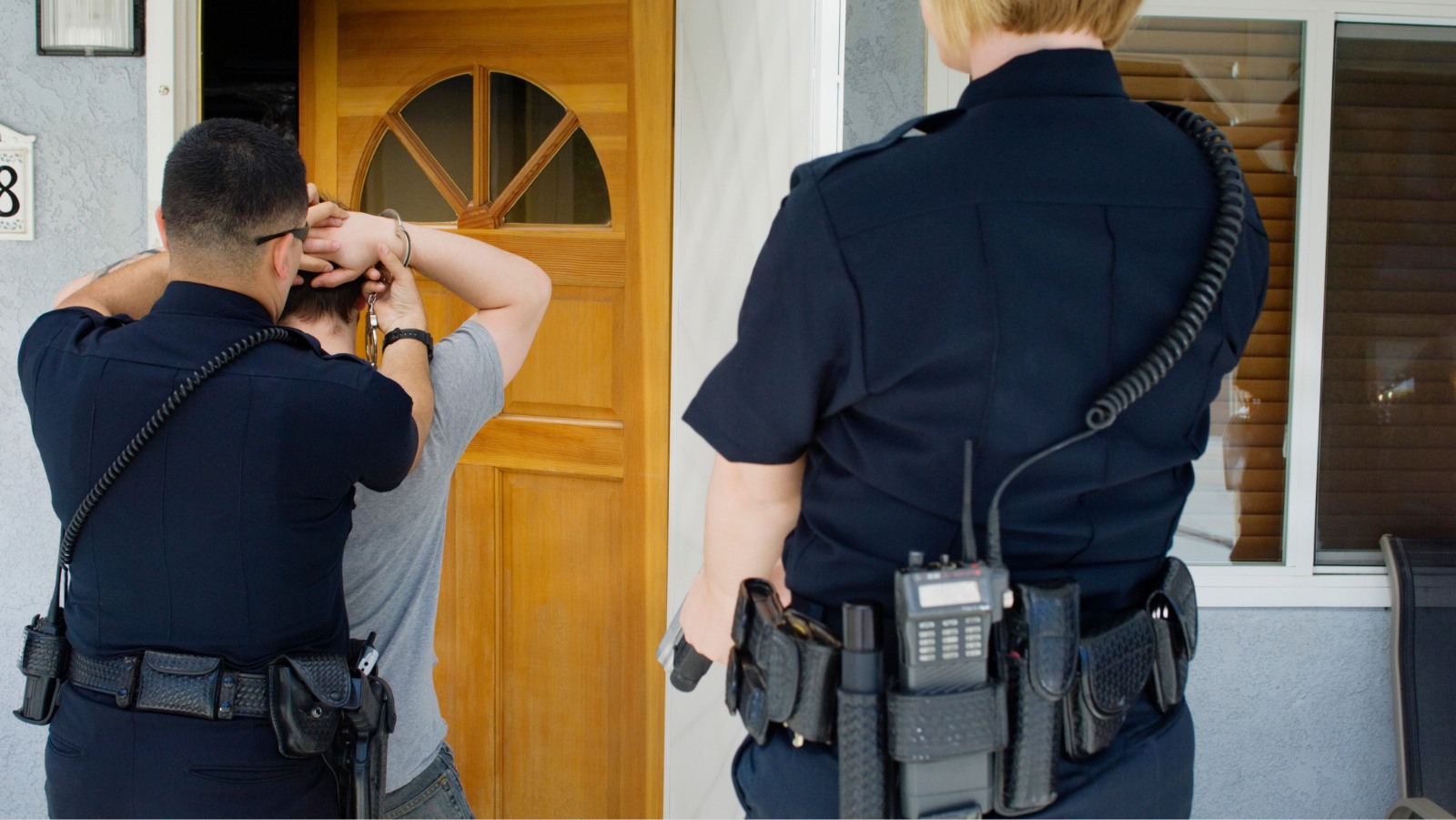
When a driving under the influence (DUI) suspect is placed under arrest, he or she will be provided a choice of submitting a blood or breath sample for analysis under Colorado’s Express Consent statute. Both state law and government agency regulations spell out detailed rules and guidelines under which either the blood or breath samples must be obtained. Those same guidelines also direct how the analysis must be performed.
A question naturally arises from this: what happens when there is a flaw in following the guidelines specified by state laws and regulations? Does this mean automatic exclusion of the test results?
Some case law provides guidance on this question. In People v. Bowers[i], the Colorado Supreme Court held that suppression of chemical test results for failure to strictly abide by state board of health regulations is not allowed when state law does not provide for such a drastic remedy. In Bowers, the state trooper who obtained the breath sample for analysis from a suspect waited nineteen minutes before obtaining the sample instead of twenty as directed by state regulations. The trial court granted the defendant’s motion to suppress test results for failure to wait the appropriate amount of time. However, the state supreme court reversed. It found there was nothing in the law which stated that the government’s failure to strictly comply with rules regarding breath tests automatically translated into the result’s inadmissibility.
In other words, if the General Assembly meant for test results to be automatically excluded for failure to comply with testing rules and regulations, it would have expressly said so in the law. Instead, if the prosecution can show the testing devices and processes were otherwise scientifically valid and reliable, the evidence may still be admissible.
Similarly, in People v. Shinaut[ii], a Colorado state trooper allowed a DUI suspect to change his choice of performing a breath test to a blood test after being advised of Express Consent. The law did not allow for any such change after the driver made an initial election. The Colorado Supreme Court found that, while the trooper erred in allowing the change, the blood test results were still admissible as evidence. As long as the trial court was satisfied with the validity and reliability of the blood test and its results, the evidence was admissible.
In summary, errors in the blood or breath test process do not automatically translate into exclusion of the test results. Everything hinges on whether the test process and results are eventually deemed “valid” and “reliable” by the trial court. For example, a mistake in calibrating an Intoxilyzer breath analysis machine will mean the results are likely not valid or reliable, and the results are therefore inadmissible. In contrast, police failure to strictly comply with the twenty-minute observation period before administering a breath test may not result in test result exclusion.
Details matter. If you are charged with DUI in Colorado, you need the assistance of experienced criminal defense attorneys to examine case details and see if the prosecution’s evidence can be excluded for failure to strictly comply with testing rules and regulations, Contact Mile High Legal and get the help you need.
[i] 716 P.2d 471 (Colo. 1986)
[ii] 940 P.2d 380 (Colo. 1997)