
COCCA Charges in Colorado: Colorado Organized Crime Control Act Penalties
Mile High Legal Resource Center By Grant Grosgebauer, Mile High Legal · Last reviewed October 2026 The Colorado Organized Crime Control Act, C.R.S. §§ 18-17-101 et seq. (COCCA), is Colorado’s version of federal RICO. It’s not charged often, but when it is, it turns what might otherwise be a handful of misdemeanors or lower felonies […]
Cybercrime Charges in Colorado: C.R.S. 18-5.5-102 Penalties

Mile High Legal Resource Center By Grant Grosgebauer, Mile High Legal · Last reviewed October 2026 Scammers and cybercriminals stole $243,517,403 from Colorado victims in 2024 alone, across 14,848 reports — 7th most in the nation per capita. Source: FBI Internet Crime Complaint Center (IC3), 2024 Annual Report. Colorado’s cybercrime statute, C.R.S. § 18-5.5-102, is […]
Financial Transaction Device Fraud Charges in Colorado: Penalties

Mile High Legal Resource Center By Grant Grosgebauer, Mile High Legal · Last reviewed October 2026 Colorado’s Financial Transaction Device Crime Act, C.R.S. §§ 18-5-701 to 707, covers credit card, debit card, and similar device-based fraud. The two most commonly charged provisions are unauthorized use of a device and criminal possession of a blank device, […]
Arson Charges in Colorado: C.R.S. 18-4-102 to 105 Penalties

Mile High Legal Resource Center By Grant Grosgebauer, Mile High Legal · Last reviewed October 2026 Colorado splits arson into four separate degrees, each targeting different conduct and carrying very different stakes — from a flat class 3 felony for burning an occupied building down to a petty offense for a small, low-value fire. Getting […]
Extortion Charges in Colorado: C.R.S. 18-3-207 Penalties

Mile High Legal Resource Center By Grant Grosgebauer, Mile High Legal · Last reviewed October 2026 Extortion was the single most-reported cybercrime category from Colorado victims in 2024, with 2,320 reports filed. Source: FBI Internet Crime Complaint Center (IC3), 2024 Annual Report. Criminal extortion under C.R.S. § 18-3-207 criminalizes threatening someone to force them to […]
Money Laundering Charges in Colorado: C.R.S. 18-5-309 Penalties

Mile High Legal Resource Center By Grant Grosgebauer, Mile High Legal · Last reviewed October 2026 Money laundering under C.R.S. § 18-5-309 is one of the few fraud-adjacent crimes in Colorado that carries a flat, serious felony classification regardless of the dollar amount involved. The statute targets financial transactions designed to conceal the source of […]
Insurance Fraud Charges in Colorado: C.R.S. 18-5-211 Penalties

Mile High Legal Resource Center By Grant Grosgebauer, Mile High Legal · Last reviewed October 2026 Colorado residents reported $216.5 million in losses across 43,302 fraud reports in 2024, a category that includes insurance-related fraud schemes. Source: FTC Consumer Sentinel Network data, 2024. Insurance fraud in Colorado, C.R.S. § 18-5-211, covers a wide range of […]
Forgery Charges in Colorado: C.R.S. 18-5-102

Forgery Charges in Colorado: C.R.S. § 18-5-102 Colorado law enforcement agencies reported 75,119 fraud offenses — the category that includes forgery and counterfeiting — between 2022 and 2024. Source: Colorado Division of Criminal Justice, Office of Research and Statistics, Quarterly Crime Trends. Mile High Legal Resource Center By Grant Grosgebauer, Mile High Legal · Last […]
Who Is Liable After an E-Scooter or E-Bike Accident in Denver, Colorado?

Denver’s shared e-scooters and e-bikes are now operated by Veo, which won a three-year contract approved by Denver City Council in April 2026 and took over the city’s scooter-share program from Lime and Bird (Lime and Bird’s contracts ended May 16, 2026). If you were hurt in a crash involving one of these vehicles — […]
What Are the Penalties for Harassment Charges in Colorado? (CRS § 18-9-111)
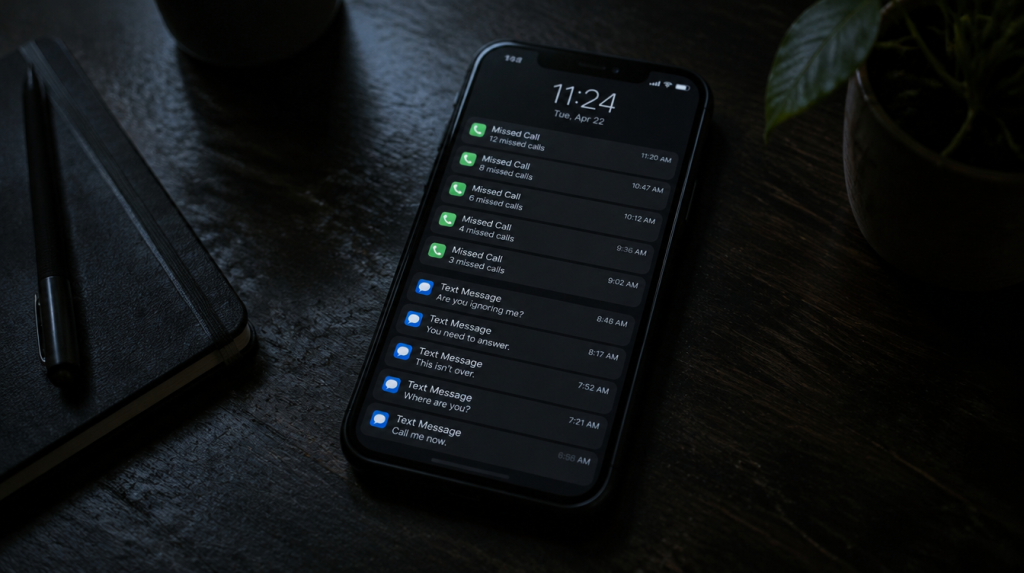
Colorado’s harassment statute, CRS § 18-9-111, covers a wide range of conduct — from repeated unwanted contact to physical touching meant to alarm or annoy someone. The penalties vary significantly depending on exactly which subsection you’re accused of violating, which is why it matters to understand which tier of the statute applies to your case. […]